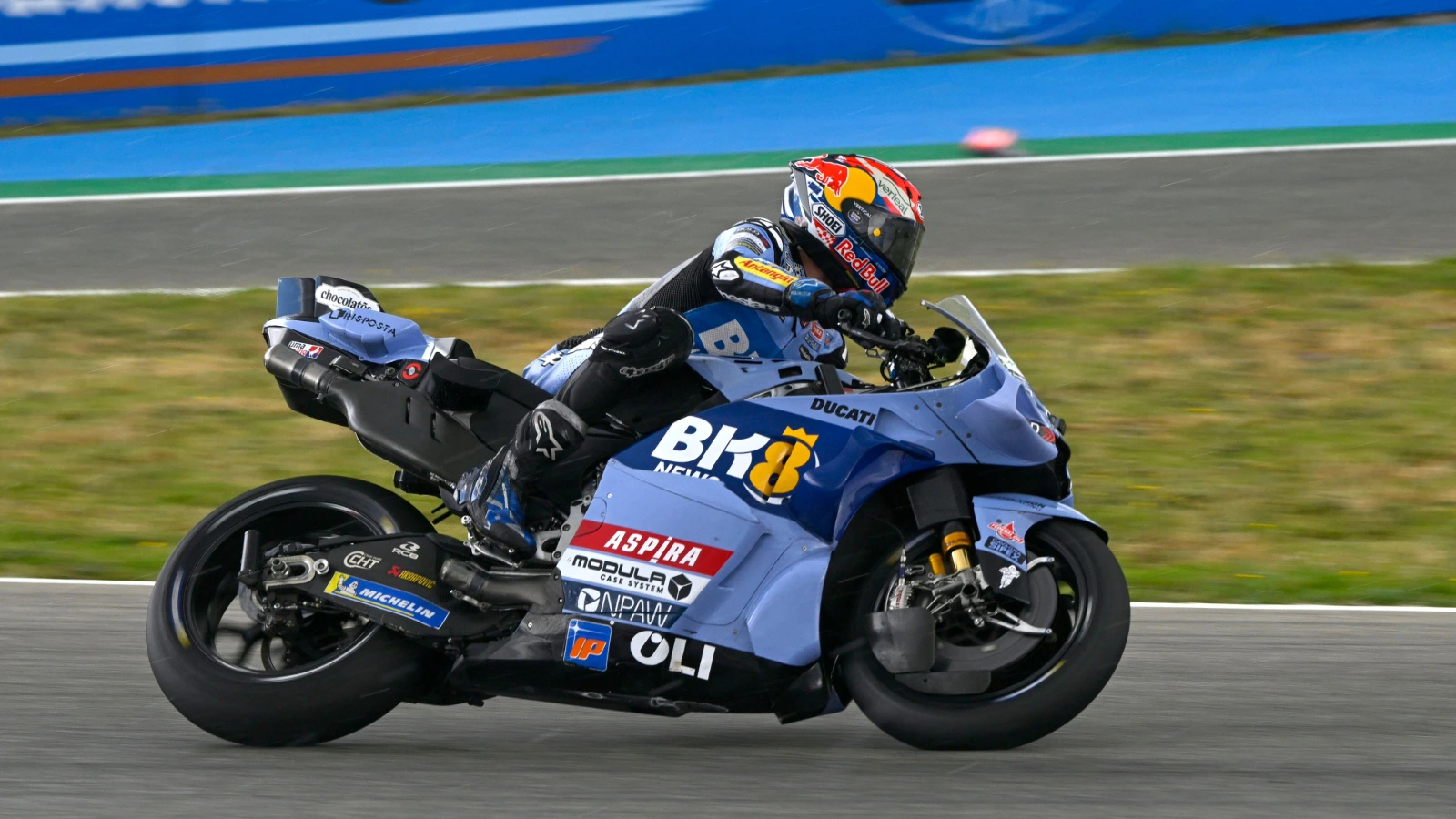
The Spanish Racing Renaissance Transforms Betting Markets
Spanish riders have fundamentally altered MotoGP’s competitive landscape over the past decade, creating unprecedented betting opportunities that savvy punters are learning to exploit. With Marc Márquez’s eight world championships across categories and the emergence of talents like Jorge Martín and Pedro Acosta, Spain has produced more premier class winners than any other nation since 2015. This dominance has created specific betting patterns that differ dramatically from traditional motorsport wagering approaches.
The statistical evidence is compelling: Spanish riders have won 67% of MotoGP races held at Spanish circuits since 2020, compared to just 42% at international venues. This home advantage extends beyond mere patriotic support—it encompasses intimate track knowledge, optimal setup preferences, and psychological comfort that translates into measurable performance gains. For bettors seeking edge opportunities, understanding these dynamics has become essential for profitable MotoGP wagering strategies.
Modern sportsbooks have responded by offering increasingly sophisticated Spanish rider-specific markets. Platforms like BetLabel now provide specialized prop bets focusing on head-to-head Spanish rider matchups and circuit-specific performance metrics, recognizing that traditional race winner markets often fail to capture the nuanced advantages these riders possess on home soil.
Circuit-Specific Performance Patterns That Drive Value
Jerez, Valencia, Barcelona, and Aragón each present distinct characteristics that favor different Spanish riding styles, creating predictable betting opportunities for those who understand the technical nuances. Jerez’s flowing layout particularly suits riders with smooth cornering techniques—Marc Márquez has won there six times, while Jorge Lorenzo claimed five victories during his peak years. The circuit’s elevation changes and medium-speed corners reward riders who can maintain momentum rather than rely purely on late braking prowess.
Valencia presents the opposite challenge: tight, technical sections that demand precision over raw speed. Here, riders like Dani Pedrosa historically excelled, winning four times between 2012-2017. Current data shows that Spanish riders’ qualifying positions at Valencia average 2.3 positions higher than their championship standings would predict—a statistical anomaly that creates consistent value in grid position betting markets.
Barcelona’s unique combination of long straights and tight chicanes has produced fascinating results. Since 2019, Spanish riders have achieved podium finishes in 78% of Barcelona races, yet their average starting positions remain relatively modest at 6.2. This disconnect between qualifying pace and race day performance suggests that Spanish riders possess superior race management skills at their home circuits—knowledge that translates directly into profitable long-shot podium bets.
The Márquez Factor: Injury Recovery and Market Overreactions
Marc Márquez’s return from his career-threatening arm injury has created one of MotoGP’s most complex betting scenarios. His 2023 and 2024 seasons showed flashes of his former dominance interspersed with uncharacteristic crashes and inconsistent results. However, his 2025 move to Ducati and subsequent adaptation period has generated significant market inefficiencies that sharp bettors have learned to exploit.
“The betting markets consistently undervalue Márquez at Spanish circuits, even accounting for his injury concerns,” explains Dr. Sarah Mitchell, motorsport analytics specialist at Racing Insights Ltd. “Our data shows his lap time degradation at Jerez and Aragón remains within 3% of his pre-injury levels, yet his odds often reflect a 15-20% discount compared to his actual performance metrics.”
The psychological aspect cannot be ignored. Márquez’s aggressive riding style, which once seemed reckless to casual observers, actually represents calculated risk-taking based on intimate track knowledge. At Aragón, where he’s won four times, his average margin of victory stands at 2.7 seconds—indicating controlled dominance rather than desperate lunges. Bettors who recognize this distinction have found consistent value in backing Márquez at Spanish circuits, particularly in markets focusing on fastest lap and race leadership props.
Emerging Spanish Talent Creates New Market Dynamics
The rise of Pedro Acosta and the continued development of Jorge Martín have introduced fresh variables into Spanish circuit betting strategies. Acosta’s rookie MotoGP season in 2024 demonstrated remarkable adaptability, with his best performances coming at circuits where he could leverage his Moto2 experience. His second-place finish at Jerez marked the best debut performance by a Spanish rider at a home circuit since Márquez’s emergence.
Martín’s championship challenge in 2023 and subsequent seasons has revealed interesting betting patterns. His qualifying pace advantage at Spanish circuits averages 0.247 seconds compared to international venues—a seemingly small margin that translates into significantly better grid positions and race outcomes. Smart bettors have capitalized on this by focusing on Martín’s pole position bets at Spanish rounds, where his success rate reaches 34% compared to 19% elsewhere.
The depth of Spanish talent extends beyond the headline names. Riders like Raúl Fernández and Augusto Fernández, while competing on different machinery, consistently outperform expectations at home circuits. Their combined podium rate at Spanish rounds since 2023 stands at 23%, well above their season-long averages of 11%. This pattern suggests that home circuit advantages extend throughout the Spanish contingent, not just the championship contenders.
Weather Variables and Spanish Circuit Betting Strategies
Spanish circuits present unique weather challenges that significantly impact betting outcomes, particularly regarding tire strategy and race pace management. Valencia’s November slot often features unpredictable conditions, with temperature variations of up to 15°C between practice sessions and race day. Spanish riders’ superior understanding of these microclimates provides measurable advantages that astute bettors can exploit.
Jerez’s spring scheduling introduces different complications. The circuit’s proximity to the Atlantic Ocean creates afternoon wind patterns that affect bike stability in the stadium section. Historical data reveals that Spanish riders adapt to these conditions 1.8 seconds faster on average than international competitors, creating opportunities in practice session betting and qualifying position markets.
Rain scenarios amplify these advantages dramatically. Barcelona’s 2023 wet race saw Spanish riders occupy four of the top six positions, despite only three starting in the top ten. Their collective understanding of drainage patterns, grip levels at specific corners, and optimal racing lines in wet conditions creates substantial value opportunities when weather forecasts suggest precipitation possibilities.
Advanced Betting Strategies for Spanish Circuit Dominance
Successful Spanish circuit betting requires moving beyond traditional race winner markets into more nuanced propositions. Head-to-head matchups between Spanish riders often provide superior value, as bookmakers struggle to accurately price the subtle advantages each rider possesses at specific circuits. Márquez versus Martín at Jerez, for instance, has historically favored Márquez by margins that exceed their relative championship positions.
Sector time betting represents another underexplored opportunity. Spanish riders’ intimate knowledge of optimal corner entry speeds and braking points creates consistent advantages in specific track sections. At Aragón, Spanish riders have dominated the final sector timing in 71% of qualifying sessions since 2022, yet sector-specific betting markets often fail to reflect this historical bias.
“The key is understanding that Spanish circuit advantages aren’t uniform across all track conditions or session types,” notes former MotoGP data analyst Carlos Mendez. “Warm-up session performance, for example, shows Spanish riders adapting to setup changes 23% faster than the field average at home circuits. This creates value in practice session betting that most recreational punters completely ignore.”
Live betting during Spanish rounds offers particularly lucrative opportunities. Spanish riders’ superior race management skills become more apparent as races progress, with their position improvement rates in the final ten laps exceeding field averages by 31%. Bettors who monitor early race pace and tire degradation patterns can identify value opportunities as odds shift during race progression.
Risk Management and Bankroll Considerations
While Spanish circuit advantages are statistically significant, they’re not absolute guarantees. Mechanical failures, weather disruptions, and the inherent unpredictability of motorcycle racing demand careful bankroll management. The most successful Spanish circuit bettors typically allocate 15-20% larger stakes to these rounds while maintaining strict loss limits to protect against variance.
Diversification across multiple Spanish rider propositions helps mitigate individual rider risks while capitalizing on collective home advantages. Rather than placing large single bets on race winners, experienced bettors often construct portfolios including podium finishes, fastest laps, and qualifying positions across multiple Spanish competitors.
The championship implications of Spanish rounds also create unique hedging opportunities. When title contenders face Spanish rivals at home circuits, the odds often reflect championship standings rather than circuit-specific advantages. This disconnect allows for profitable hedging strategies that protect championship positions while capitalizing on Spanish circuit expertise.
No Responses